Why Dekomed Washer-Disinfectors Lead the Industry.
Whatever medical field or industry you are in, be that hospitals, veterinary, dental or laboratory, the battle against pathogens is never-ending, uncompromising and, for good reason, heavily regulated. For many years, the process for cleaning reusable medical instruments relied almost exclusively on manual scrubbing, a method that, unfortunately, is prone to human error, delivers inconsistent results and exposes your staff to significant risks.

Thankfully, as science, expertise and understanding have improved, modern medicine can rely on automated technology, which has, as a consequence, revolutionised infection control. Dekomed Limited, a leading UK supplier, has been delivering market-leading automated decontamination technology since 1991.
Whether you manage a busy hospital sterile services department (SSD), a local dental clinic, or a research laboratory, understanding how a medical-grade washer-disinfectant works and why Dekomed has become an industry benchmark is essential. This comprehensive guide covers everything you need to know about Dekomed washer disinfectors, from their core mechanics to choosing the right system for your facility.
What is a Washer Disinfector?
A medical washer disinfector is an automated device designed to wash, thermally disinfect, and dry reusable medical equipment and instruments. Unlike a standard commercial or domestic dishwasher, these specialised machines are engineered to meet strict healthcare legislation and regulatory standards.
By substituting unpredictable manual labour with a tightly controlled, software-driven process, washer disinfectors eliminate the risk of human error. They guarantee that every single item undergoes an identical, validated process to achieve a completely safe level of decontamination before final sterilisation.
How Does a Dekomed Washer Disinfector Work?
Dekomed machines utilise a structured and efficient process by putting your contaminated instruments through a highly regulated, automated five-step process. Each step is precisely timed and monitored by advanced programmable logic controllers (PLCs) to ensure absolute compliance, which then significantly eliminates the risk.
1. Pre-Wash
The cycle begins with a cold water pre-rinse. It is critical that this phase uses cold water (typically under 45°C) because it then prevents proteins, blood, and other bodily fluids from coagulating and baking onto the instrument surfaces, which would then make that material much more difficult to remove. This stage effectively flushes away the heaviest gross soil.
2. Main Wash
Next, the machine adds a specifically measured quantity of manufacturer-approved detergent. This detergent, along with the water which is delivered using a precise water pressure via rotating wash arms, means that fats, lipids, and stubborn organic residues are broken down, ensuring that the surfaces are then left physically clean.
3. Rinse
Now that the fats and residue have been loosened or removed from the surgical instruments, a rinse cycle is initiated to get rid of that detritus from the machine and prepare the instruments for the next stage of the process.
4. Thermal Disinfection
In the penultimate stage of the cleaning process, the chamber temperature is elevated to a high heat—typically around 90°C—and held there for a length of time that is dependent on the pre-programmed cycle. (e.g., 1 or 5 minutes depending on settings). The idea behind the high-temperature dwell time is that it enables the temperatures to kill vegetative bacteria, viruses, and other pathogens, fulfilling strict medical-grade disinfection parameters.
5. HEPA-Filtered Drying
The final stage eliminates manual drying, which is notorious for introducing cross-contamination. If you think about it logically, leaving your immaculately cleaned instruments out to air dry is a recipe for disaster. Dekomed machines utilise integrated HEPA (High-Efficiency Particulate Air) filters to pump clean, sterile hot air throughout the cabinet. Instruments emerge completely dry, free of moisture, and safe to handle or pack immediately.
What Are The Key Advantages of Investing in the Dekomed Range
There is little doubt that by choosing a Dekomed machine over alternative decontamination methods, you will enjoy a host of concrete operational and safety benefits.
-
Elimination of Human Error: Manual scrubbing is subjective by its very nature. An automated system controls the exact water temperature, chemical dosage, water pressure, and exposure time every single time, which minimises the risk of error and ensures that the cleaning process is repeatable day after day.
-
Enhanced Staff Safety: Cleaning surgical or medical instruments, which by their very nature are extremely sharp, places healthcare workers at severe risk of injuries and inoculation accidents. Automating the process minimises direct human contact with biohazards.
-
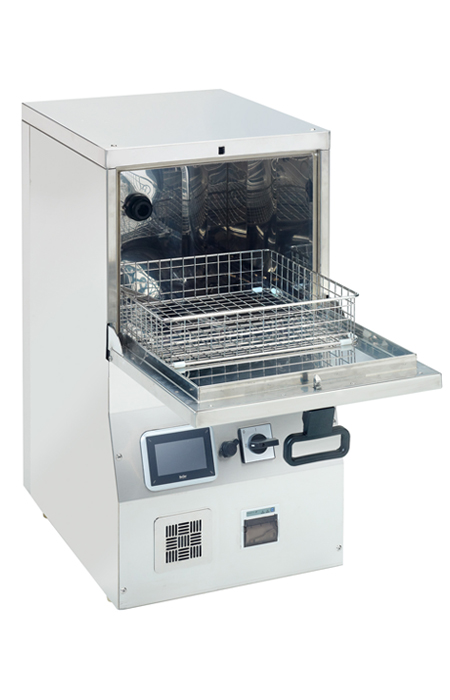
Advanced Data Logging: Dekomed machines feature high-resolution TFT LCD or 7-inch colour touch-screen interfaces. These mini-computers automatically track, record, and store both control data and independent validation data. This highly critical information can be downloaded or printed, providing an unalterable audit trail for regulatory compliance, which is one of those benefits that you can never fully appreciate until you are asked for the information.
-
Resource Efficiency: Modern Dekomed units feature advanced freshwater recirculation technology. This maximises the mechanical scrubbing power of the water while significantly reducing overall water and energy consumption compared to continuous running-tap manual washing.
-
Quiet and Insulated Performance: Models like the Deko D260 are built with advanced heat and sound insulation, ensuring the machine operates quietly in the background without disrupting the clinical workspace.
Crucial Considerations Before Installing a Washer Disinfector
 Investing in a medical washer disinfector requires an evaluation of your premises infrastructure, which is something the staff at Dekomed can assist with or provide advice and guidance. To ensure an efficient installation and prevent long-term operational issues, keep the following logistical factors in mind:
Water Hardness and Limescale
If your medical facility is located in a hard water area, which will be the case for many areas of the United Kingdom, it can severely impact your machine. Hard water reduces the efficacy of specialised detergents and causes rapid limescale buildup on heating elements and internal pipework. Implementing a water softener system upstream is often highly recommended to preserve machine longevity.
Drainage and Effluent Logistics
A washer disinfector evacuates a significant volume of hot, chemically treated water during its cycle. You must ensure your decontamination room has direct, unobstructed access to a main drainage system capable of handling high-temperature waste.
Chamber Capacity vs Spatial Footprint
Space is often at a premium in local dental and clinical decontamination rooms. You must strike a balance between a machine compact enough to fit your physical layout and one with a large enough internal chamber capacity to process your daily patient instrument throughput without causing a bottleneck. The good news is that Dekomed has a wide range of compact design washer disinfectors, which are powerful enough to disinfect instruments properly, whether in dental practices or medical practices, without taking up valuable space.
The Dekomed Difference: Maintenance and Support You Can Rely On
A medical washer disinfector is not a “set-and-forget” appliance. Because it functions as a critical medical device, regular servicing, testing, and validation are legally required to prove the machine continues to hit its mandatory thermal disinfection targets.
Dekomed prides itself on a partnership model rather than a simple transactional sale. We want to ensure that our partners know they can rely on us to help them meet all of their responsibilities. Our comprehensive service contracts include:
-
Tailored CAD Planning: Dekomed helps their customers to visualise exactly how a machine (especially single or pass-through variants) would fit into their workflow using detailed CAD designs prior to purchase.
-
Product & Technical Training: To maximise the efficiency of the equipment, clinical staff are fully trained on proper loading techniques, cycle selection, and basic user maintenance. There is no point investing in expensive equipment if your staff are not fully trained on how to use it properly.
-
Preventative Maintenance & Validation: Periodic routine servicing to spot minor component wear before it leads to disruptive downtime, alongside formal validation testing to ensure full compliance with healthcare guidelines.
-
Three-Tiered Security: Security software integrated into the machines utilises user, edit, and service-level passwords to protect calibrated cycles from accidental alteration.
 Dekomed – A Partner You Can Trust
When it comes to decontamination and patient safety, there really is no room for error. Automated washer disinfectors by Dekomed represent a fundamental advancement in how healthcare facilities manage biohazards. By replacing variable manual cleaning with highly regulated, recordable thermal cycles, these machines protect patients from cross-contamination, safeguard clinical staff from accidental injuries, and guarantee compliance with strict regulatory bodies.
With the help of Dekomed staff, you can ensure that you invest in the correct machinery for your needs, which will then be professionally maintained to deliver consistent performance. For more information about our range of products, or to discuss any questions you may have, contact our friendly customer service team today on 0161 483 7333