
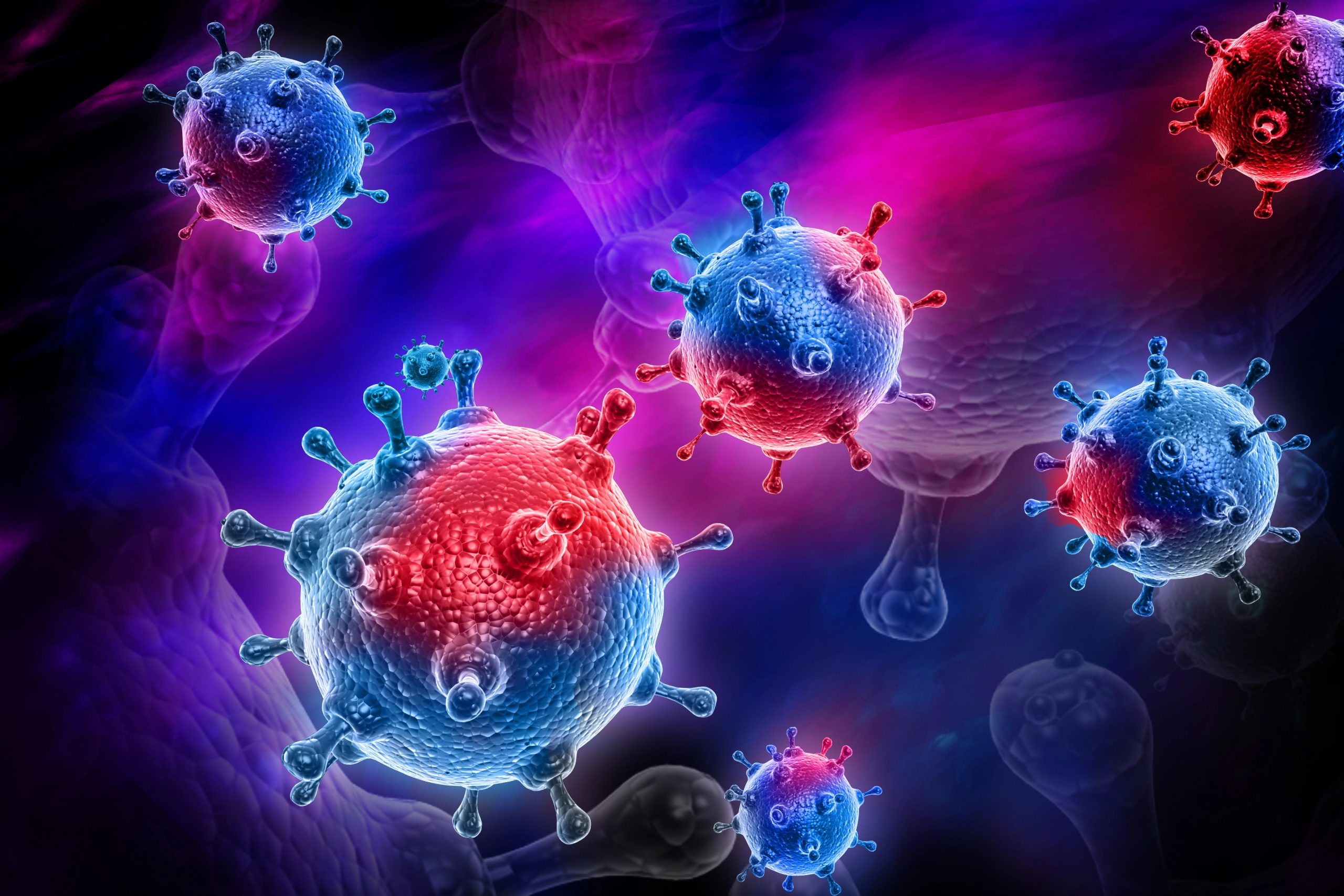
 Although the general public’s knowledge and awareness of infection prevention and control increased significantly during the COVID pandemic of 2020, there remains a lack of understanding of how critical proper infection prevention and control is to maintaining the nation’s health. Essentially, infection prevention and control is a scientific approach and practical solution designed to prevent the spread of infectious diseases among patients and healthcare workers.
It involves a unique combination of epidemiology, social science and health economics. Everyone needs to realise that Infection prevention and control is no longer a topic of conversation for hospital administrators; it is a fundamental pillar of public health that everyone needs to contribute to.
Infection Prevention and Control is The Number One Weapon Against The Spread of Infectious Diseases
Infection prevention and control aim to prevent the transmission of infectious agents. The principles are the same whether it’s in a high-tech surgical suite, a long-term care facility, or a local community clinic. IPC aims to break the “Chain of Infection”
The Chain of Infection consists of six links:
-
The Infectious Agent: This is the ultimate enemy, the pathogen (bacteria, virus or fungi ), which is the cause of any disease
-
The Reservoir: Where the pathogen lives, typically in people. Water or food
-
The Portal of Exit: How the pathogen leaves the reservoir (e.g., blood or respiratory secretions).
-
The Mode of Transmission: How it moves from one person to another (contact, droplets, airborne).
-
The Portal of Entry: How it enters the next person (broken skin, mucous membranes).
-
The Susceptible Host: The person at risk of infection.
IPC strategies are designed to “cut” these links. If even one link is broken, the infection cannot spread.
Standard Precautions: The First Line of Defence
The foundation of infection prevention is based on following standard precautions. These are a set of practices applied to the care of all patients, regardless of their perceived infectious status. In other words, this is the default process that should always be followed without exception. They are based on the principle that all blood, body fluids, secretions, and excretions (except sweat) may contain transmissible infectious agents.
1. Hand Hygiene
This is considered to be the single most effective way to prevent the spread of infections. Hand hygiene involves washing with soap and water or using alcohol-based hand rubs. In clinical settings, the World Health Organisation (WHO) promotes the “Five Moments for Hand Hygiene”:
-
Before touching a patient.
-
Before clean/aseptic procedures.
-
After body fluid exposure risk.
-
After touching a patient.
-
After touching the patient’s surroundings.
2. Personal Protective Equipment (PPE)
PPE acts as a physical barrier between healthcare workers and the infectious agent. This includes gloves, gowns, masks, and eye protection. The type of PPE that is chosen is dependent upon the type of patient interaction and the perceived likely mode of transmission.
3. Environmental Cleaning
It is a little-known fact that pathogens can survive on surfaces for days or even months. Regular disinfection of “high-touch” surfaces—such as bed rails, doorknobs, and medical equipment—is vital to preventing the environment from becoming a reservoir for disease.
Transmission-Based Precautions
Unfortunately, in certain cases, standard precautions are not sufficient to contain a specific known or suspected pathogen. When this is the case, then the next step in the fight against infection prevention is to implement transmission-based precautions.
These are categorised based on how the specific germ travels:
-
Contact Precautions: Used for organisms spread by direct or indirect contact with the patient or their environment (e.g., MRSA or C. difficile). This usually requires a private room and dedicated equipment.
-
Droplet Precautions: Used for pathogens transmitted by large respiratory droplets generated by coughing or sneezing (e.g., Influenza or Pertussis). Healthcare workers must wear surgical masks when entering the room.
-
Airborne Precautions: Reserved for microbes that remain infectious over long distances when suspended in the air (e.g., Tuberculosis or Measles). This requires specialised “negative pressure” rooms and N95 respirators.
The Role of Infection Prevention and Control in Antimicrobial Resistance (AMR)
One of the most important reasons for implementing robust IPC programs today is the rise of Antimicrobial Resistance (AMR). Bacteria are constantly evolving, and as a consequence, in certain cases, this means that they can potentially obtain the capability of being able to withstand the drugs used to kill them. Some of the most common medical procedures, such as joint replacements, chemotherapy, and organ transplants, become high-risk or even impossible.
IPC is a primary tool in the fight against “superbugs.” By stopping the risk of infection at the source, we reduce the need for antibiotics. Fewer antibiotic prescriptions mean fewer opportunities for bacteria to develop resistance. In this sense, when it comes to controlling infection prevention, a clean pair of hands is one of the most powerful weapons against the next global health crisis.
While infection prevention and control are often discussed in the context of hospitals, their principles are universal.
-
In the Food Industry, IPC takes the form of temperature control and cross-contamination prevention to stop Salmonella and E. coli.
-
In schools, it involves teaching children respiratory etiquette (coughing into elbows) and maintaining high vaccination rates.
-
In the Home: It includes safe water storage, proper wound care, and staying home when sick.
The Challenges of Implementation in the Care Environment
The Challenges of Implementation
Despite the clear benefits for patient safety, implementing effective IPC is not without numerous challenges. It requires a delicate balance of risk assessment, environmental management, behavioural change, infrastructure, and administrative support.
-
Compliance Fatigue: Healthcare workers are often under immense pressure. Maintaining 100% compliance with hand hygiene or PPE protocols during a 12-hour shift is mentally and physically taxing, which is one reason why transmissible infections can occur.
-
Resource Limitations: In many parts of the world, access to clean water, reliable electricity for sterilisation, and a steady supply of PPE is a luxury rather than a guarantee.
-
The “Invisible” Success: The irony of IPC is that when it works, it delivers health and care excellence, because nothing happens. There are no outbreaks to report and no dramatic interventions. This can sometimes make it difficult to secure funding compared to more “visible” medical departments like surgery or emergency care.
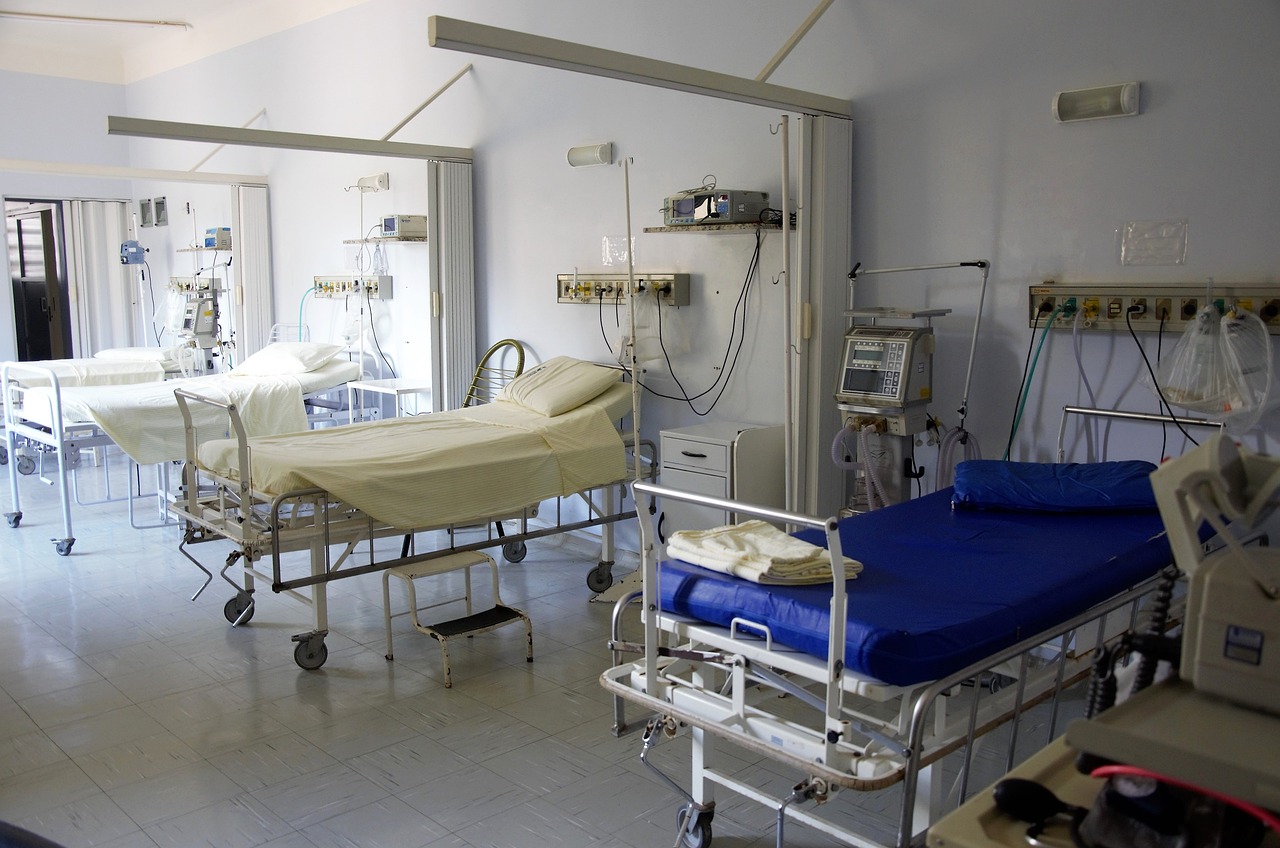 Infection Prevention and Control is more than just a list of rules; it is a culture of safety. It represents a commitment by healthcare systems to “First, do no harm.” Every time a nurse sanitises their hands, every time a room is meticulously cleaned, and every time a vaccine is administered, the invisible shield of IPC is strengthened.
As we move further into the 21st century, the integration of technology—such as UV-C light disinfection robots and AI-monitored hand hygiene stations—will continue to evolve. However, the human element remains irreplaceable. IPC is a collective responsibility that rests on the shoulders of clinicians, patients, and the public alike. By understanding and respecting these invisible boundaries, we ensure a safer, healthier future for everyone.
Dekomed is at the forefront of Infection prevention and control, with its range of medical washer-disinfectors, Bedpan Washers & Drying Cabinets. For more information about the company, their products, and how they can ensure you maintain outstanding and essential infection prevention and control, call our friendly and knowledgeable customer service team today on 0161 483 7333