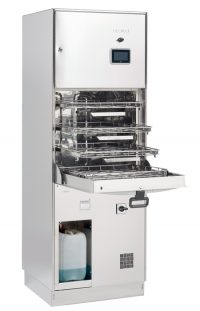
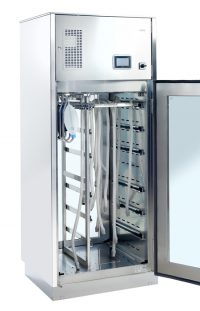
A fully compliant decontamination room depends on a fully operational washer-disinfector. If your machine fails mid-cycle during a busy clinic morning or hospital shift, your entire instrument reprocessing line stops. Decontamination standards in the UK, such as HTM 01-01, HTM 01-05, and BS EN ISO 15883, require automated washer disinfectors to run reliable, validated cycles. Dekomed is the acknowledged leader in the UK for these types of products, including but not limited to the Deko 190 bedpan washer disinfector, the compact Deko D25, and high-capacity units like the Deko 2000. Although these machines have established a reputation for reliability and efficiency, it is critical for patient safety that they are maintained and serviced as per the manufacturer’s recommendation, including regular servicing, routine preventive checks and strict testing protocols.
The Many Benefits of Investing in a Dekomed Washer Disinfector Service Contract in Healthcare Settings
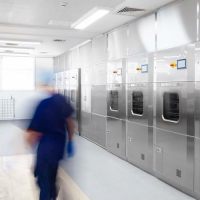 Dekomed is the supplier of these high-tech products, and as a consequence, no other company will ever have a more in-depth knowledge of how these products work. When you invest in a service contract, you are getting direct access to the manufacturer, which includes their trained technicians who specialise exclusively in Deko machinery, ensuring that they are always functioning correctly.
Whilst there are certain general maintenance contractors who may claim to be able to service these products, they often lack specific diagnostic software, the correct calibration equipment, and access to genuine spare parts required for specialised thermal disinfection units.
When you get a contract with Dekomed, you benefit from a range of operational advantages:
 Direct Access to Certified Technicians: Dekomed engineers receive specific factory training on the Deko product line. Once they have completed their training, they become accredited Test Persons, which means they can service and validate the machines in accordance with Dekomed’s proper maintenance recommendations.
High First-Time Fix Rates: Another benefit of a Dekomed service plan is that their qualified engineers attend your property in Dekomed vans, which are fully stocked with a comprehensive spare parts inventory, for essentially every current and legacy Deko model. This includes replacement door seals, solenoids, drain valves, dosing pumps and heating elements.
Combined Servicing and Validation Visits: When running any medical facility, time is always critical, which is why booking separate visits for maintenance and testing can waste time and involve a lot more planning and preparation than necessary. Dekomed service plans enable you to combine planned preventative maintenance with mandatory validation checks, which in turn reduces machine downtime and simplifies regulatory compliance scheduling.
Fast Response Times: Once you have a contract with Dekomed, you can benefit from set response times for unexpected breakdowns, which enables clinical environments to have a predictable recovery time should an error code transpire. Dekomed tailors these contracts around your facility’s throughput. A private dental clinic running three cycles daily has different service requirements than a central sterile services department (CSSD) or care home sluice room running continuous loads on a Deko 190.
Planned Preventative Maintenance To Maintain Your Equipment in Optimal Condition (PPM)
 Planned preventative maintenance is the practice of inspecting, testing, and replacing critical components before they break down. Relying on reactive maintenance (waiting for a component to fail) leads to cancelled patient lists, sterile stock shortages, and emergency call-out costs.
Washer disinfectors combine high water pressure, harsh chemical detergents, high electrical currents, and intense heat. Over months of use, vibrations loosen pipe fittings, water hardness deposits scale on heating elements, and alkaline or acidic detergents degrade elastomer seals.
A structured PPM schedule keeps these mechanical stresses under control:
Quarterly and Bi-Annual Inspections: Depending on cycle volume, Dekomed technicians visit your site between one and four times per year. During these visits, technicians inspect internal wear points, check hose integrity, and test the operation of all safety interlocks.
Component Life-Cycle Management: Engineers replace perishable items, such as peristaltic dosing pump tubes, spray arm bearings, and main chamber gaskets, before mechanical wear causes leaks or chemical under-dosing.
Cost Predictability: You pay planned service fees rather than unpredictable, premium emergency repair invoices.
Regular Maintenance – How a Washer Disinfector Is Checked and Maintained
Comprehensive maintenance requires a shared protocol between your internal clinic staff and your Dekomed service engineer.
Daily and Weekly In-House Checks That Your Team Need To Complete
Just because you have a service contract, your team still needs to undertake regular maintenance tasks to ensure that everything continues to work and run smoothly.
Spray Arm Rotation: Before you start a wash cycle, it is essential that you check that both the upper and lower spray arms are able to spin properly and freely on their bearings. Check the spray nozzles to ensure that there are no pieces of debris that may have accumulated in the nozzles, causing a blockage.
Chamber Filter Cleanliness: As you use your washer-disinfector, in much the same way that a dishwasher can retain food remnants, you need to inspect and clean strainers and fine mesh filters, which are typically located at the bottom of the chamber. The accumulation of debris can restrict water flow, which in turn leads to a reduction in pump pressure and a lower cleaning efficiency. The easiest way to clean and disinfect these filters is to physically remove contaminants, then put them under running water and use a stiff, non-shedding brush.
Door Gasket Integrity: Over time, the silicone door seal can deteriorate. It is essential that your team perform a regular inspection, checking for splits, hardening or chemical degradation. You need to wipe the seal with a clean, damp cloth to remove detergent residues that prevent an airtight seal.
Chemical Levels: Check the dosing containers for wash detergent and rinse aid. Ensure that the tubes are fully submerged and filters remain unclogged.
Cycle Monitoring: Record cycle times and peak disinfection temperatures daily in your unit logbook.
The Comprehensive Annual Service
 The annual service is the most extensive maintenance event for your washer disinfector. This service includes a full physical overhaul followed by formal annual revalidation to ensure the machine continues to satisfy BS EN ISO 15883 standards.
During the annual service, the Dekomed technician carries out thermometric testing using an independent, multi-channel temperature data logger. Once the service and validation tests pass, Dekomed generates a written validation report within one week. This report contains a range of documents including printed temperature graphs, chemical dosing measurements, electrical safety test logs, and the engineer’s certification signature. These documents need to be stored in the appropriate decontamination compliance file and be available for inspection by regulatory healthcare bodies such as CQC or the NHS Audit team.
If you are interested in investing in a Dekomed medical washer to streamline your disinfection process for medical instruments, medical devices and other reusable instruments, talk to our friendly customer service team today on 0161 483 7333.
The team can help and advise you depending on your specific requirements. We look forward to working with you in the future.