As with most medical fields, development, research and the strive for perfection never stops. Within the dental industry, there has been a huge transition from manual cleaning of instruments to automated reprocessing, a change that has not happened due to ease of use or automation, but rather because it was clinically necessary. One of the driving forces in this transition has been Dekomed, a brand recognised for its reliability, efficiency and compliance.
Why Automated Cleaning Is The Far Superior Option To Manual Scrubbing For Infection Control
 Since dentistry was a concept, manual scrubbing has been the standard method for cleaning dental and medical instruments. Manual scrubbing, however, has two inherent risks: the potential of sharps injuries to staff and an inconsistency in biofilm removal. Humans are fallible, they are prone to fatigue, and can easily miss things, whereas machinery does not suffer from those issues.
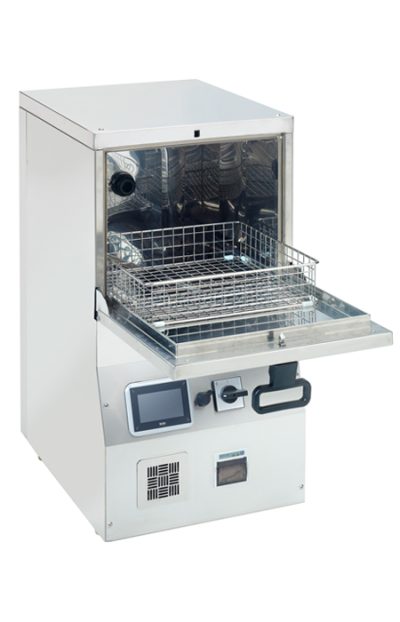
Dekomed’s washer disinfectors automate the “cleaning” and “disinfection” phases of the decontamination cycle. This process ensures that proteins are removed and microbial loads are reduced to safe levels before the instruments ever reach the steriliser. By using a Dekomed unit, a dental practice ensures compliance with HTM 01-05 (in the UK) and EN ISO 15883, the global standard for washer disinfectors.
What Are The Key Features of Dekomed Dental Units
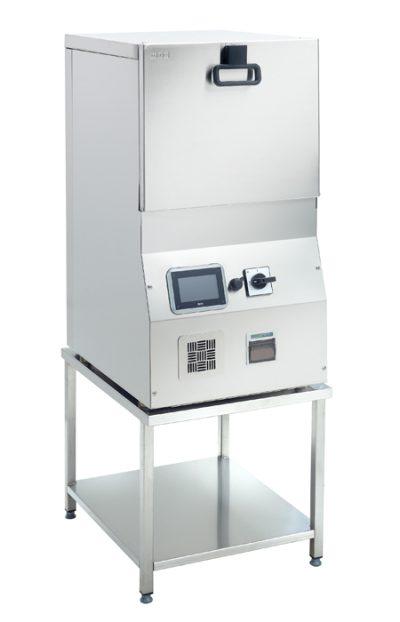
Dekomed offers several models, such as the Deko 25 and Deko 260, which are designed and tailored to offer choice due to different dental practice sizes. Despite the variance in capacity, several core engineering principles remain consistent across their fleet, ensuring outstanding performance:
- Superior Cleaning Action
Dekomed utilises high-pressure spray arms and specifically designed nozzles that ensure complete and comprehensive coverage within the unit itself. In a dental setting, where instruments like luxators, mirrors, and burs have complex geometries, this 360-degree coverage is vital.
- Thermal Disinfection Excellence
The units operate on a strict temperature-controlled cycle. Typically, this involves holding instruments at 90°C to 95°Cfor a specific “hold time” (usually 1 to 5 minutes). This process achieves an A0 value—a physical parameter denoting the lethality of the heat process against microorganisms.
- Intelligent Control Systems
The onboard PLC (Programmable Logic Controller) monitors every stage of the cycle. If the temperature drops even one degree below the required threshold, or if a detergent pump fails, the machine will abort the cycle and alert the user. This “fail-safe” mechanism is what guarantees that every batch is processed correctly and, furthermore, ensures that you are meeting all compliance standards when it comes to things such as audits.
- Integrated Drying
One of the most praised features of Dekomed units is the integrated HEPA-filtered drying system. Post-rinse, instruments are blasted with hot, sterile air. This prevents re-contamination from ambient air and ensures that instruments are bone-dry, preventing corrosion and ensuring they are ready for immediate pouching. This can save you money in the long term as your expensive dental instruments are not exposed to rust, which can reduce their effective lifespan.
The Anatomy of a Dekomed Thermal Washer Disinfector Cycle
Understanding what happens inside the machine explains why these units are so efficient. A standard Dekomed cycle generally follows these stages:
- Pre-Wash: Cold water is used to flush away gross debris and blood. Cold water is essential here; hot water would “cook” and denature proteins, sticking them permanently to the stainless steel.
- Main Wash: Water is heated (usually between 45°C and 60°C) and combined with an alkaline or enzymatic detergent to break down lipids and proteins.
- Rinse: Neutralisation of the detergent occurs to ensure no chemical residue remains.
- Thermal Disinfection: The temperature is raised to the disinfection set point (e.g., 93°C) and held.
- Drying: The final stage, where moisture is removed via forced air.
 Sustainability and Cost-Efficiency
While the initial investment in a Dekomed washer-disinfector is higher than a manual setup, the Total Cost of Ownership (TCO) is what you need to focus on. Listed below are some of the benefits you will enjoy when using Dekomed washer disinfectors.
- Water Consumption: Dekomed units are engineered to use the minimum amount of water necessary to achieve the A0 value, reducing utility bills.
- Instrument Longevity: Manual scrubbing and harsh chemicals can degrade dental handpieces and delicate tips. The controlled, pH-neutral environment of a Dekomed wash extends the life of expensive inventory.
- Staff Time: Automated cleaning frees up dental nurses to focus on patient care and surgery prep rather than spending hours at the decontamination sink.
Maintenance and Compliance Data
Under modern dental regulations, as with all legal matters, “if it wasn’t recorded, it didn’t happen.” Dekomed units simplify the audit trail. They feature integrated data loggers that record every cycle’s parameters (time, temperature, and chemical dosage).
This cycle data can be:
- Printed on a physical paper.
- Saved to a USB stick.
- Sent directly to a practice management server.
During an audit, having these digital logs ready provides irrefutable proof of a practice’s commitment to patient safety in your dental practice. It is also an excellent method for implementing best practices.
As one of the leading providers of washer disinfectors in the United Kingdom, the staff at Dekomed are perfectly placed to offer guidance and advice on any purchasing decision you intend to make. You can call our friendly and knowledgeable customer service team today on 0161 483 7333